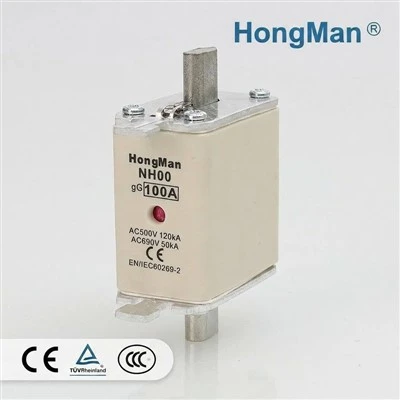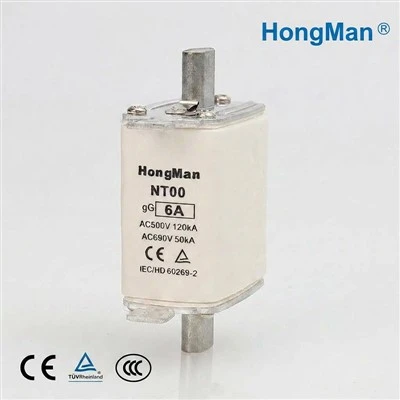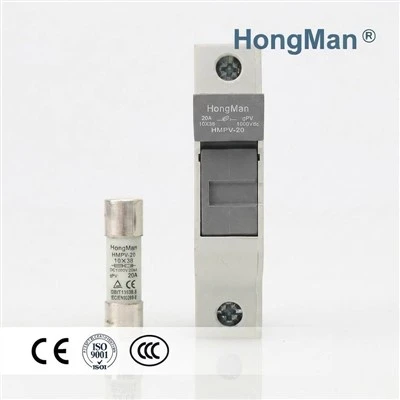

A fuse is an electrical device designed to interrupt a circuit when the current exceeds a specified value, causing its fusible element to melt. It functions as a current protection device: when the current surpasses the rated limit for a certain duration, the heat generated within the fuse melts the fusible element, thereby breaking the circuit.
To prevent cascading failures and the escalation of accidents, fuses in upstream (main power line) and downstream (branch line) circuits must be properly coordinated. When selecting fuses, the rated current of the upstream fuse should be one to two steps higher than that of the downstream fuse. Common types of fuses include tubular, screw-in, filled, and fast-acting fuses.