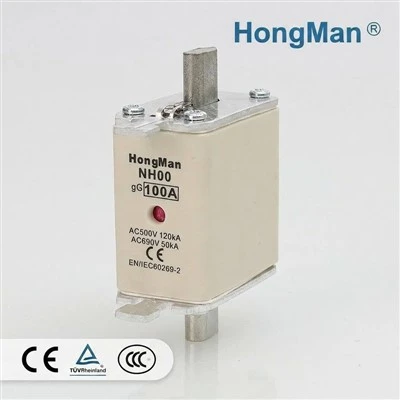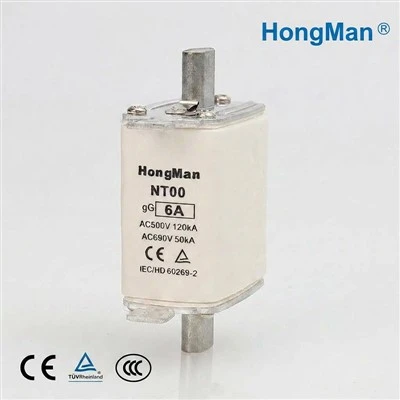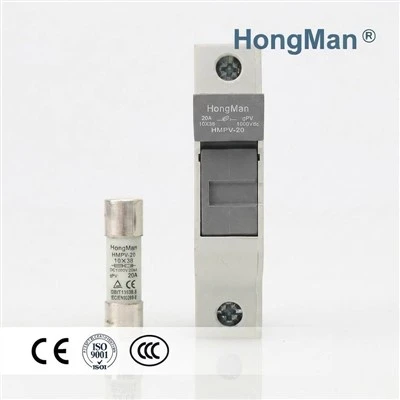

Adhering to international standards and obtaining authoritative certifications is crucial for solar-powered fuses to enter the global market and ensure the safety of photovoltaic systems. Relevant standards such as IEC 62548 and NASI/NFPA 70 stipulate the requirements for installing protective devices in photovoltaic systems.
The core standards that solar-powered fuses must comply with include the International Electrotechnical Commission standard IEC 60269-6, the Underwriters Laboratories standard UL 248-19, and the Chinese national standard GB/T 13539.6. These standards specify the electrical performance, safety requirements, and testing methods of the products, serving as the foundation for product design, manufacturing, and certification.
Taking UL 248-19 certification as an example, its typical process includes project identification, document preparation, sample testing, report evaluation, factory audit, and marking authorization. Key testing items cover temperature rise testing, overload testing, breaking capacity testing, high and low temperature cycling testing, and current cycling testing to verify the product's performance and reliability under various harsh conditions.
Obtaining certifications such as UL and TUV helps demonstrate the safety and reliability of products and meet market access requirements in North America, Europe, and other regions.