
fuse is one of the simplest, most reliable circuit protection components widely used in low-voltage distribution, control cabinets, machinery, solar and industrial equipment. It acts as a sacrificial safety device to prevent fires and equipment damage caused by overload and short-circuit faultsOptiFuse.
How does a fuse work?
Inside each fuse link, there is a conductive fuse element. When the circuit works normally, rated current passes through the element safely. Once abnormal overcurrent occurs, the element heats rapidly and melts instantly, cutting off the circuit before high current destroys expensive devices or cables. This is the core principle of thermal overcurrent protection.
Main types of low-voltage fuses
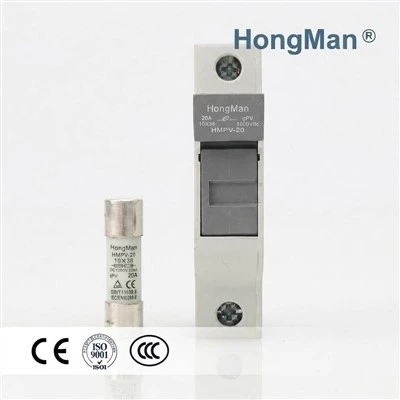
Cylindrical cap fuses (RT18 series): DIN rail mount, compact size, gG general purpose protection, the most popular type for panel builders.
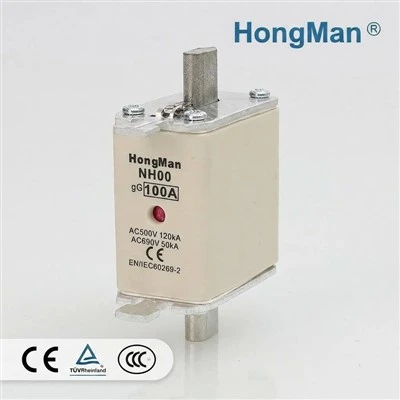
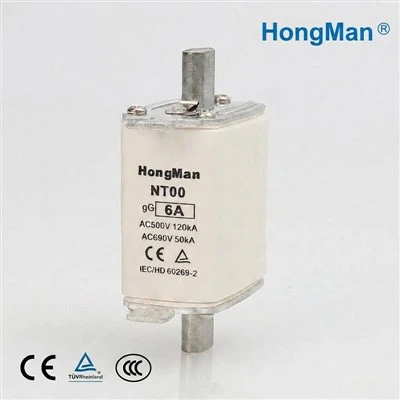
NH knife-type fuses: High breaking capacity, for heavy industrial power distribution.
Semiconductor fuses (aR): Ultra-fast response to protect diodes, IGBTs and inverters.
Miniature fuses: Small size for home appliances and control boards.
Key standard: IEC 60269
Most export low voltage fuses follow IEC 60269, covering rated voltage, breaking capacity, temperature rise and test requirements. Our fuses fully comply with this standard and carry CE certification for global marketsPEOPLE Ele...
If you need sample testing or catalog, contact our sales team directly.